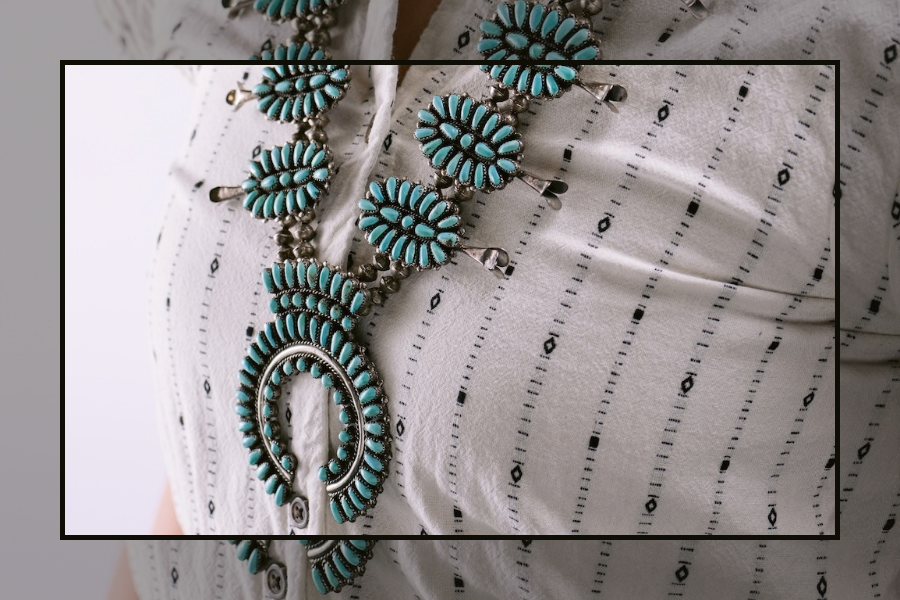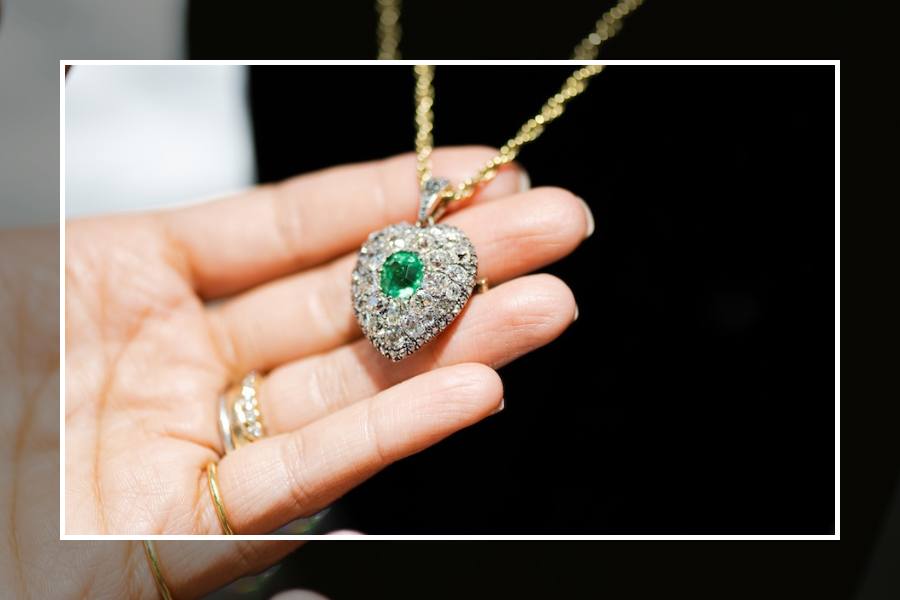
I know a thing or three about jewelry. But when people ask me, “How do you build a jewelry collection?,” my circuits overload. It makes me think of 50 questions I need answered before I can begin to formulate a reply. Well, maybe not 50, but a lot.
Does the future jewelry collector want the latest and greatest, iconic recognizable designs, something from the Georgian era or something between those two extremes? Does their style lean ladylike or bohemian, arty or conventional?
I have friends who dream of assembling a budget for Ten Thousand Things Chandeliers, one who is breezily considering dropping five figures on a David Webb Totem necklace and one who is acquiring Victorian snake rings like there is no tomorrow. In other words, what financial ballpark are we playing in? Do they think of jewelry as an investment or is it for a sentimental occasion or something to complete outfits?
Three jewelry experts, who are not daunted by the collecting subject, have tackled various aspects of it in new books: Collecting Jewellery by John Benjamin, Secret Language of Victorian Jewelry by Amy Azzarito and The Jewelry Wardrobe by Ruth Peltason.
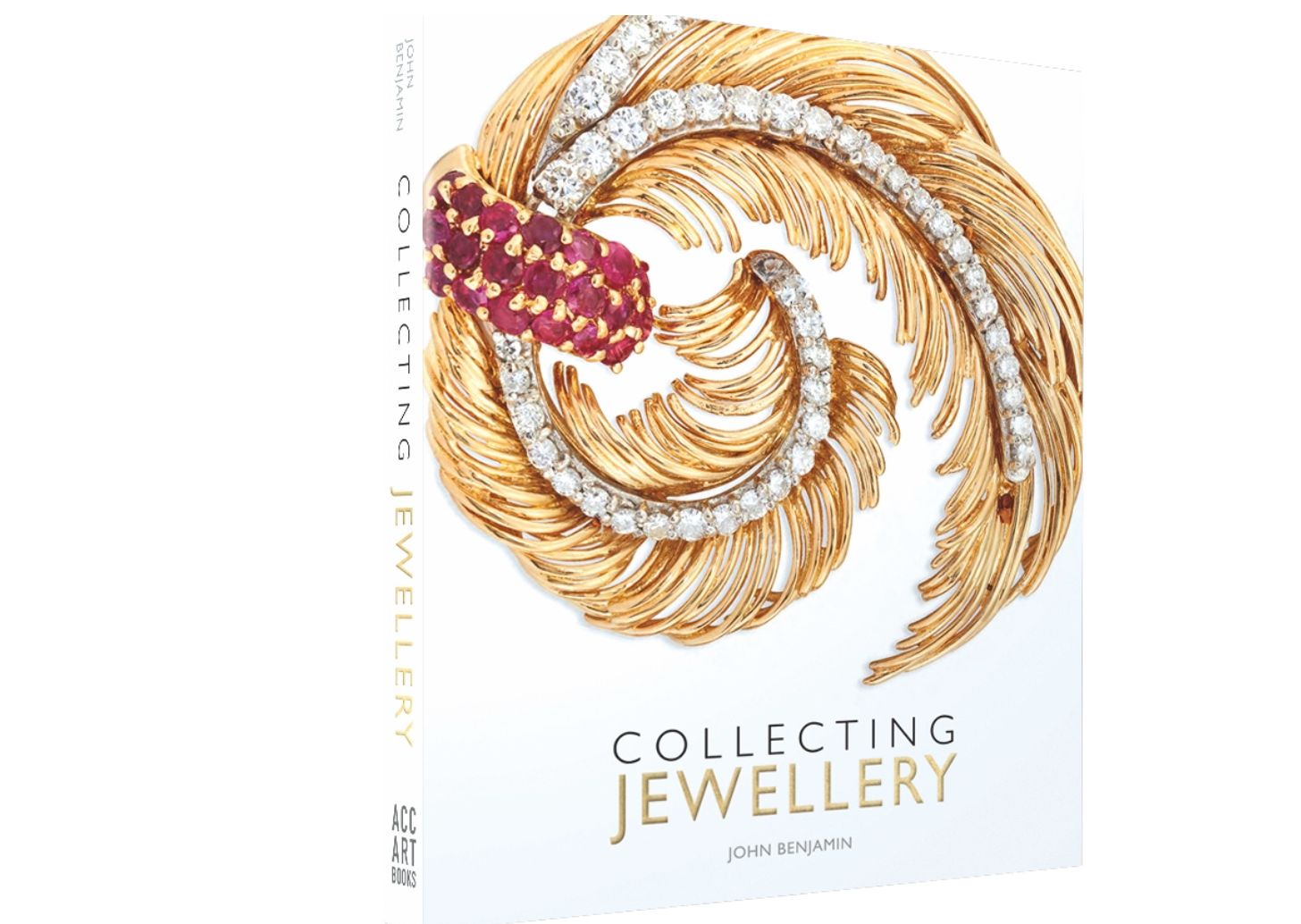
The fact that the author of Collecting Jewellery, John Benjamin, is an Antiques Roadshow expert and former International Director of Jewelry at Phillips in London comes shining through in his informative, entertaining and easy to understand text and descriptions.
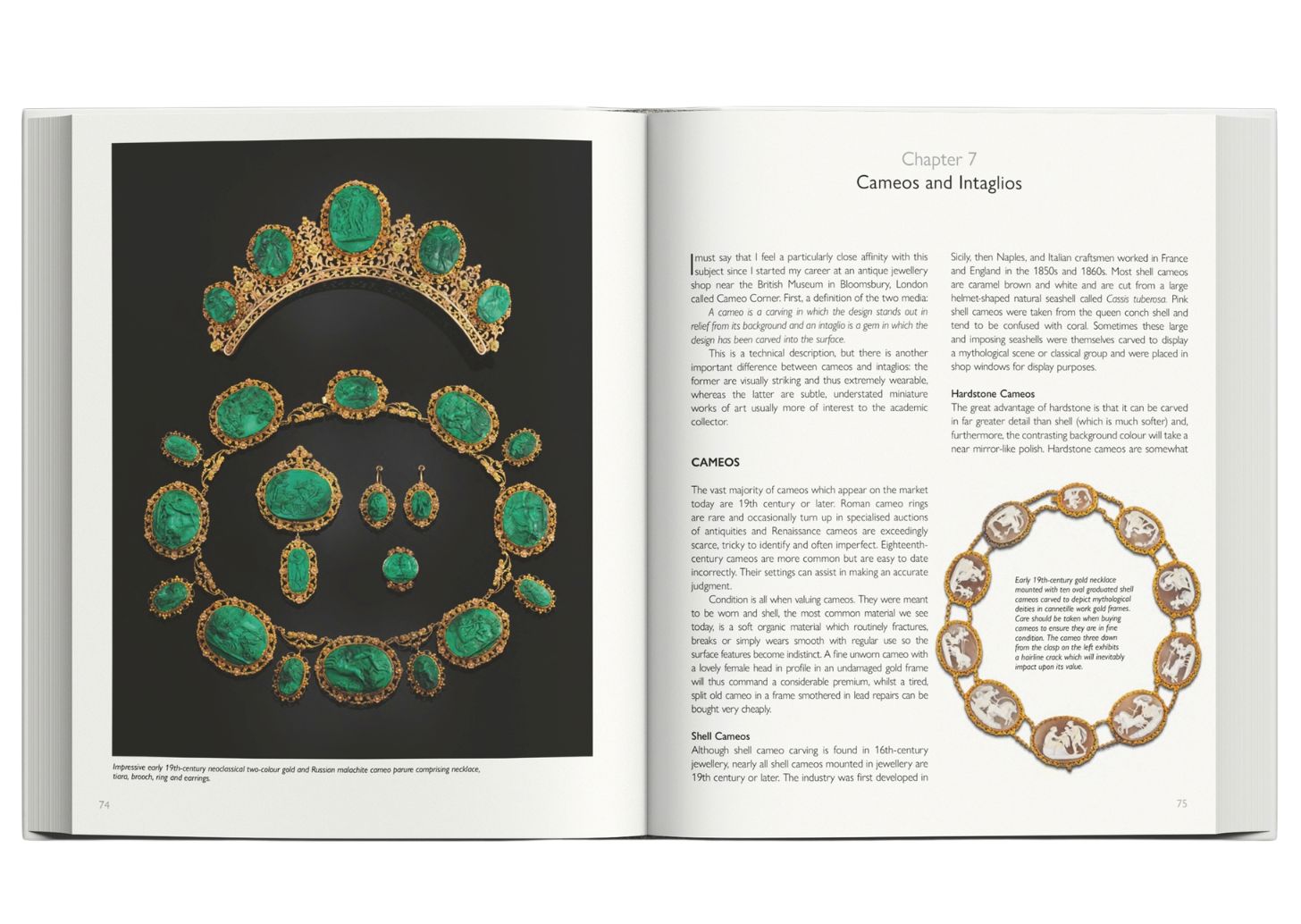
In the Introduction John explains: “The aim of Collecting Jewelry is to provide the sort of fundamental information which will enable the collector, student and enthusiast to recognize and identify many of the varieties of antique and 20th-century jewelry readily available on the market today. The scope of the book embraces early times to the Millennium and several important single topics such as gemstones, mourning jewelry, revivalist jewelry and paste are explored, as well as practical information on repairs and valuations.”
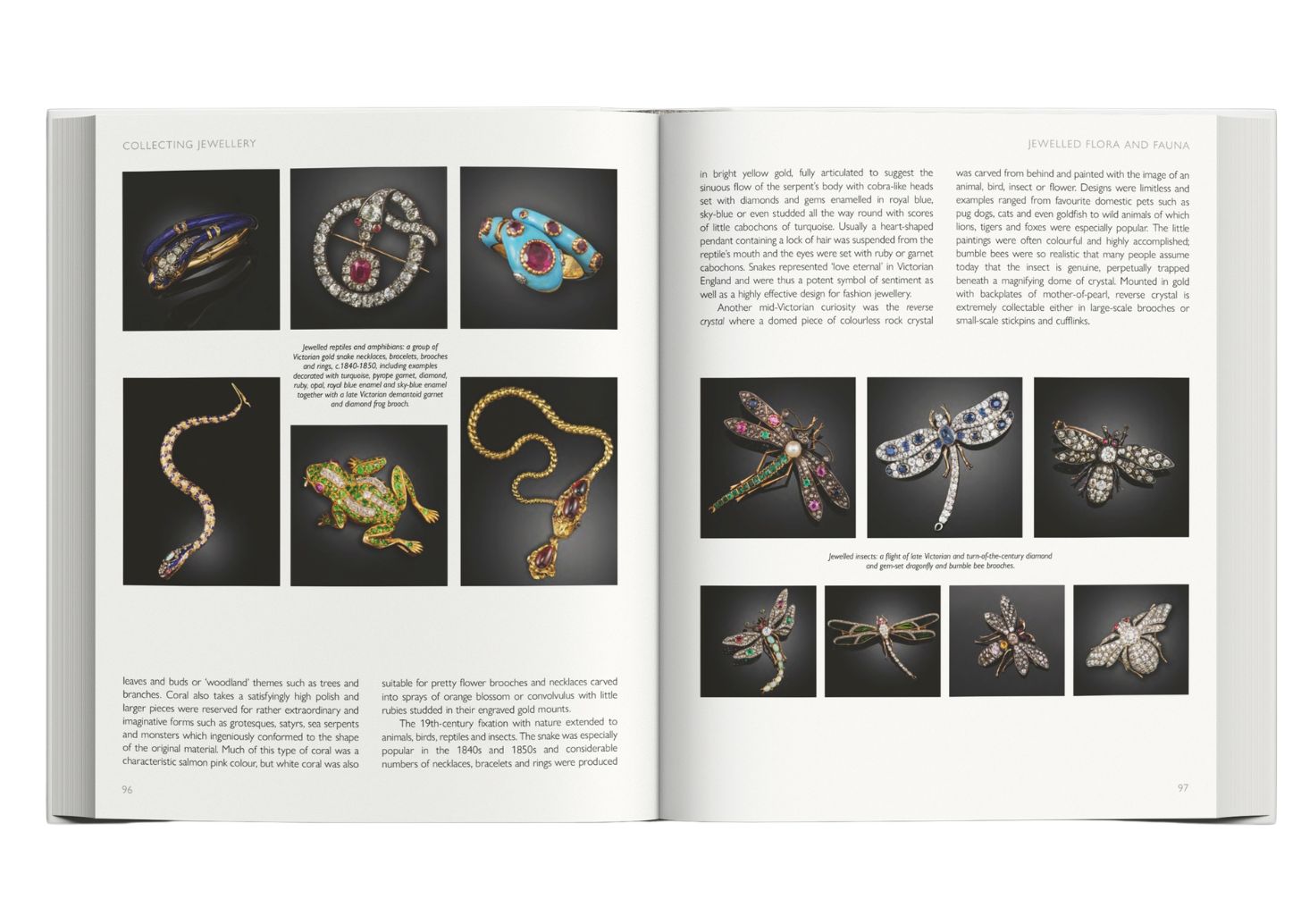
John is clear that Collecting Jewellery is not a price guide. Throughout the book, however, he does give a sense of what is rare and what isn’t.
For example, he writes “It is difficult today to conceive the sheer quantity of cheap, versatile and wearable jewelry which was pumped out to sustain the demands of a near-insatiable market during the 1880s and 1890s.”
In the chapter “Gemology and Gems in Antique Jewelry” he points out, “Take jade as an example. An Imperial jade bead necklace can sell internationally for millions of dollars whilst a crude nephrite jade modern carving may be worth less than £100.”
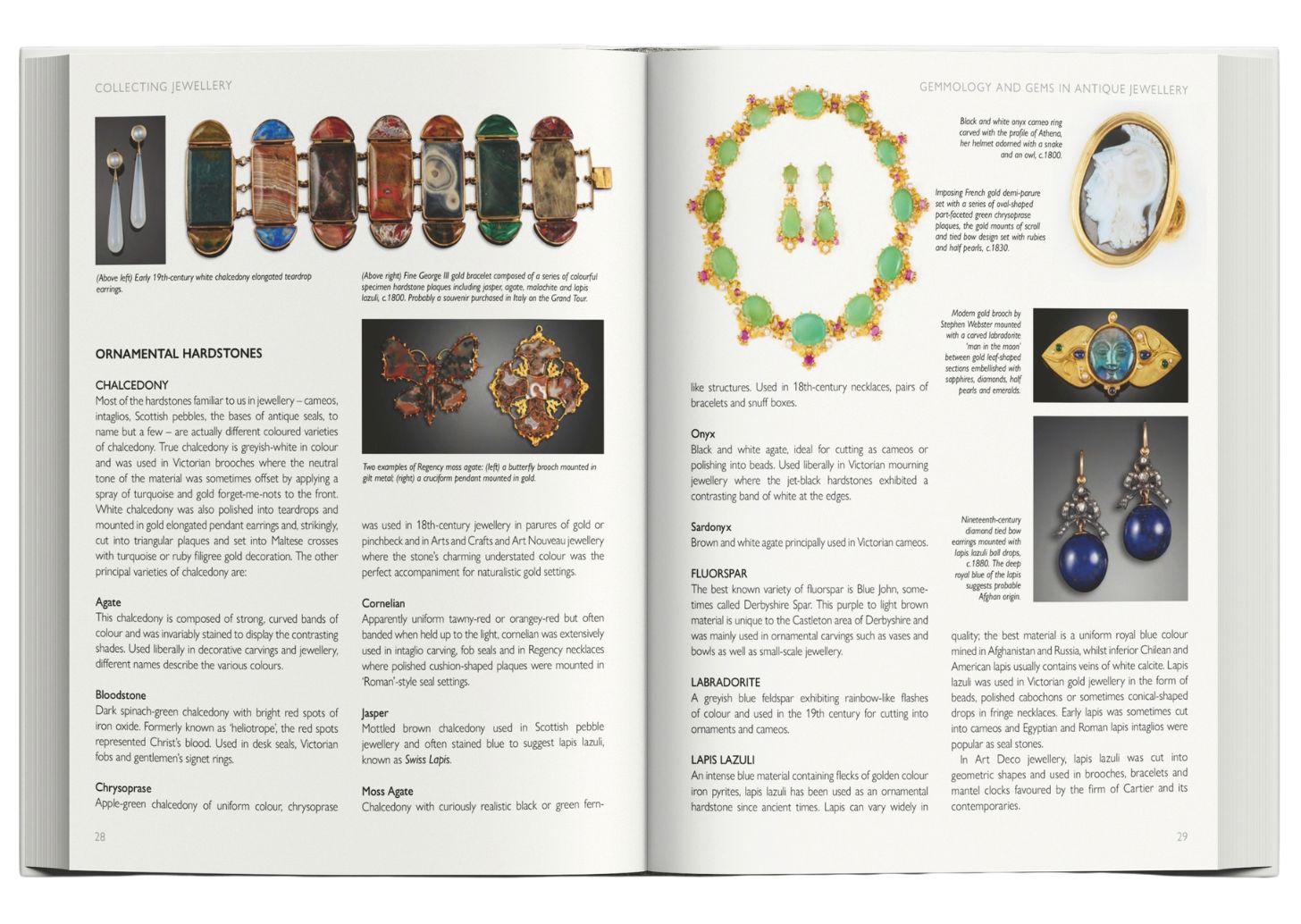
Overall, Collecting Jewellery is like a textbook. It provides an excellent foundation for those new to jewelry and interested in vintage pieces found at events like The Original Miami Beach Antique Show.
Photos are packed into the publication that provide examples of the types of styles you will see in the market. The book is much stronger in 19th and early 20th century jewelry than the more contemporary period, which is covered briefly.
Throughout the book, John provides definitions of gems and jewels. This detail expands the audience to anyone in the trade who prefers those things in one place as opposed to searching le internet. John also generously lists books at the end of each section to help readers further their jewelry studies.
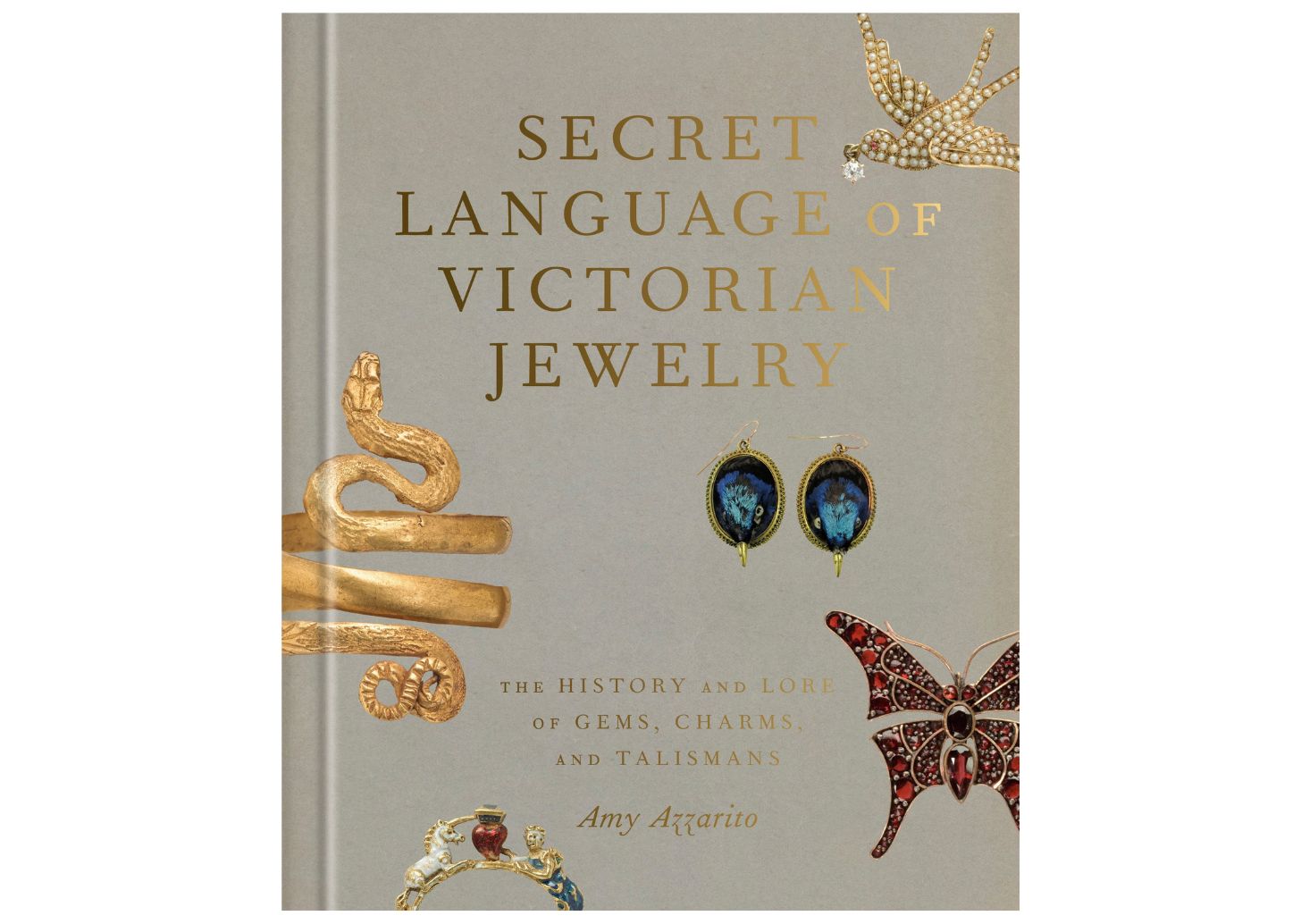
Amy Azzarito, the author of The Secret Language of Victorian Jewelry: The History and Lore of Gems Charms and Talismans, doesn’t directly address the subject of buying or collecting jewelry.
Instead, she reviews the meaning of it, which has become the focus of so many people interested in jewelry today. In other words, the publication is jewelry collecting adjacent.
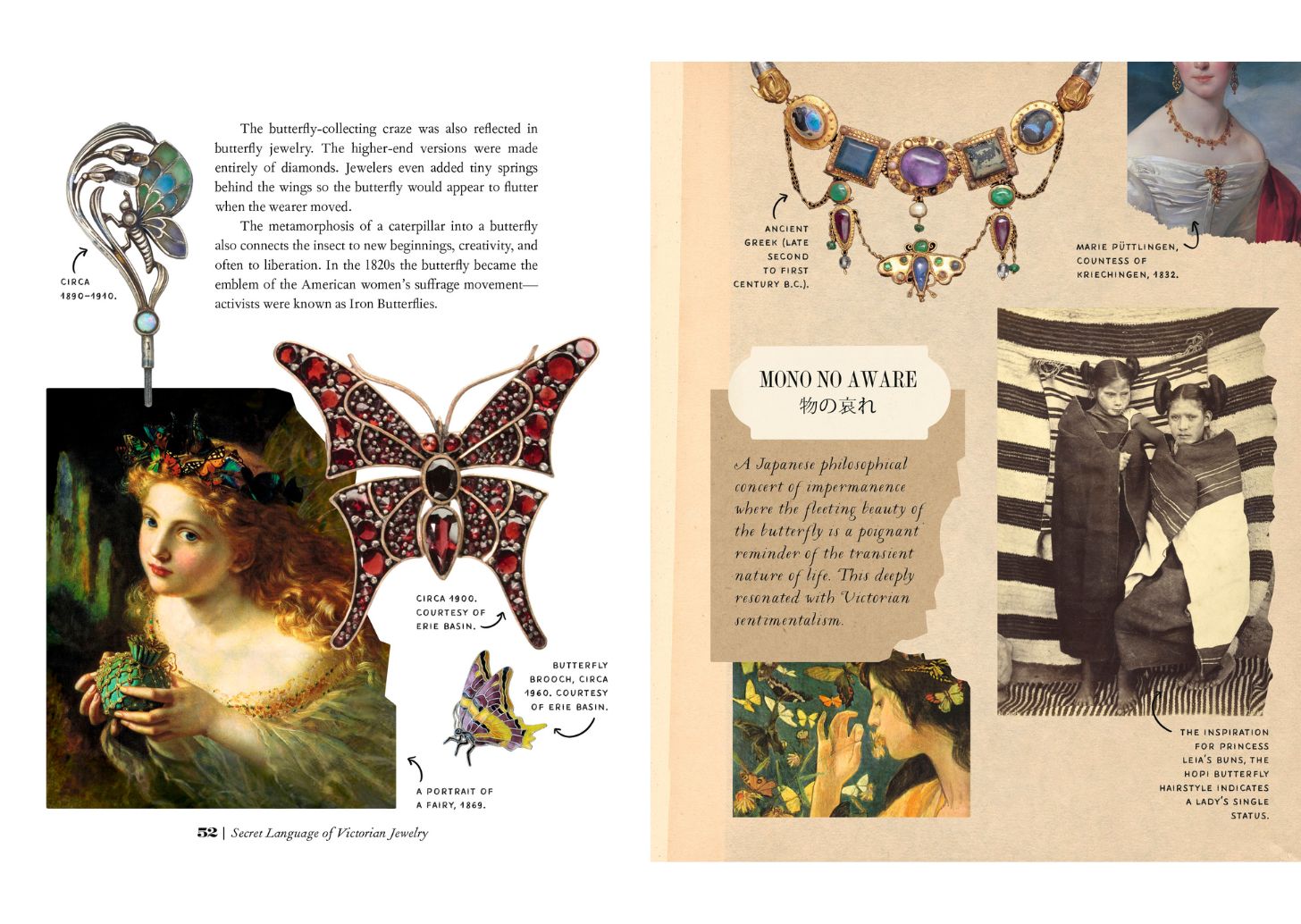
A design historian whose other books include Elements of a Home: Curious Histories Behind Everyday Household Objects, from Pillows to Forks, Amy makes the stories of jewelry symbolism charming and accessible by assembling visuals in a scrapbook style.
The handwritten font used for the captions adds a personal touch to the book design and aligns with her area of focus.
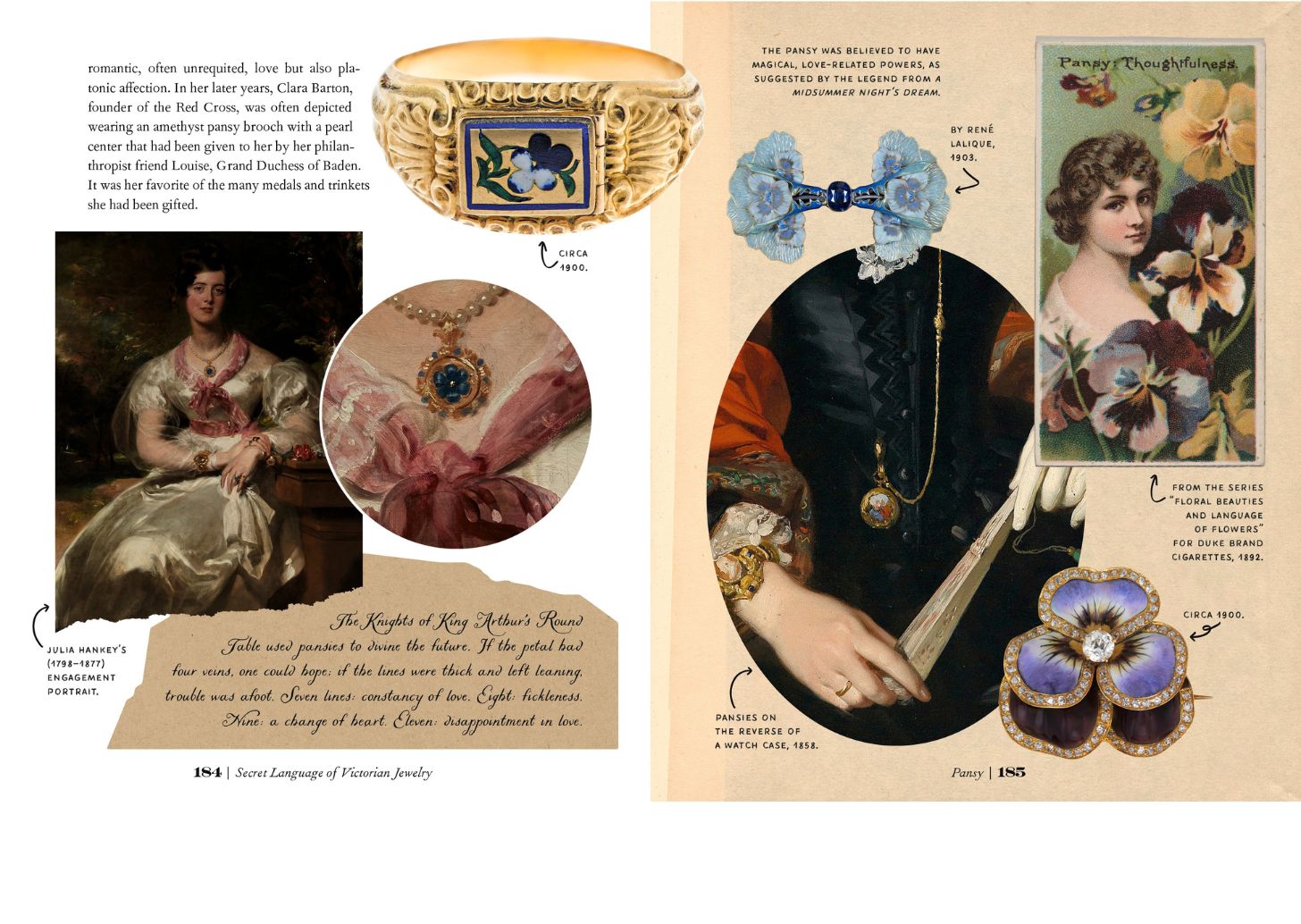
As an academic and PhD candidate who is working on her dissertation about the role of women jewelers in 18th-century Britain at the University of York, Amy’s text has the kind tone of a professor giving a lecture. And I am seated for what she has to share. She describes the book as follows:
“Consider this volume your code breaker as we journey back to a world where Queen Victoria ruled, the transatlantic cable had just been invented, and stage-coach was the way to travel. As we cover a wide range of sixty jewels and symbolic motifs, we’ll learn about the amuletic traditions of each and the stunning jewelry they inspired.”
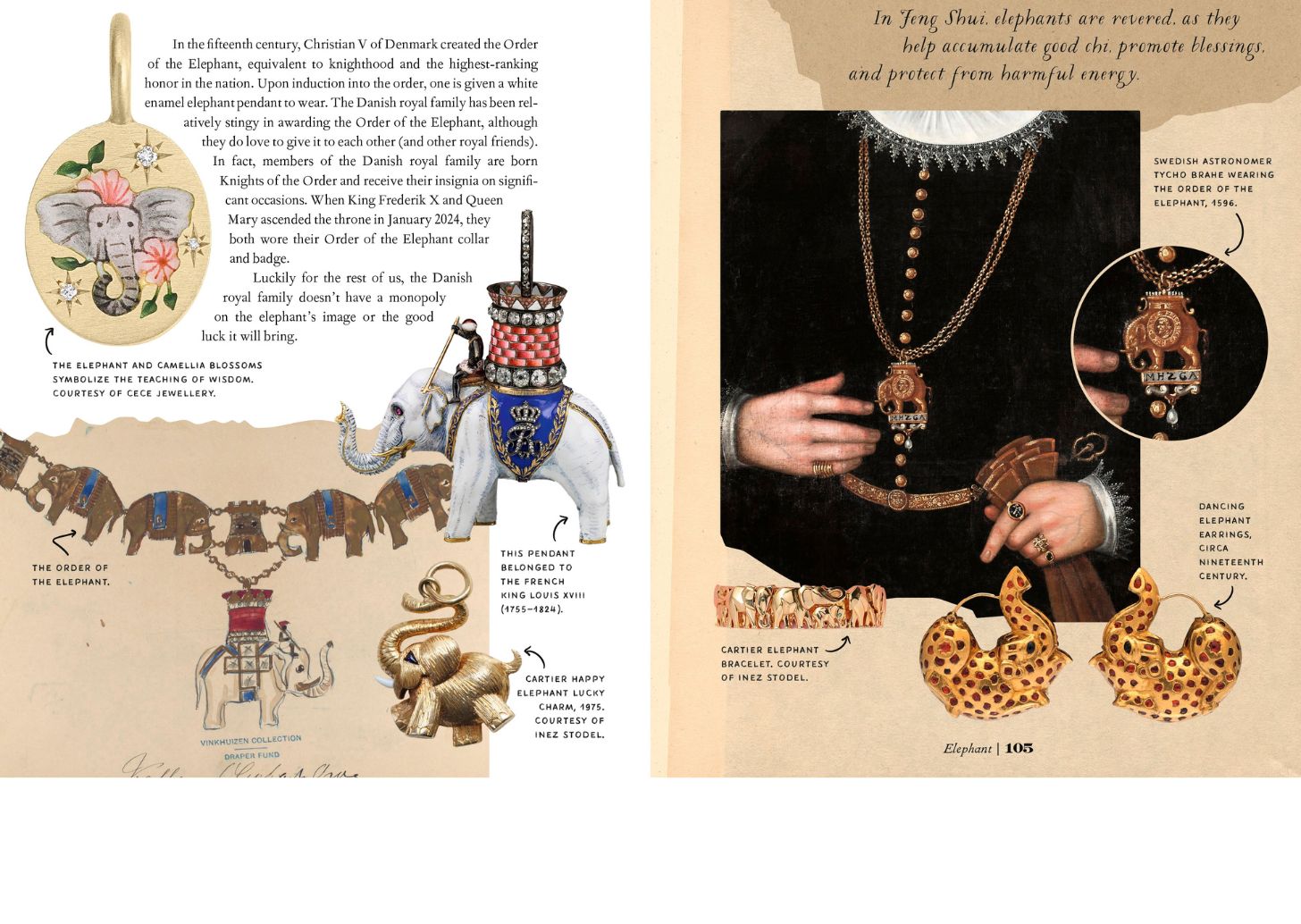
While the book title might suggest it only covers Victorian jewelry, Amy dabbles in other timeframes from the ancient era to the contemporary period to show jewels with motifs popularized in the 19th century.
The 60 themes, which are listed alphabetically, go from acorns and arrows to swallows, wheat and wreaths. A nice bonus in some of the captions is the mention of sources for the jewels, which gives readers a few leads on places to shop for vintage designs of their own.
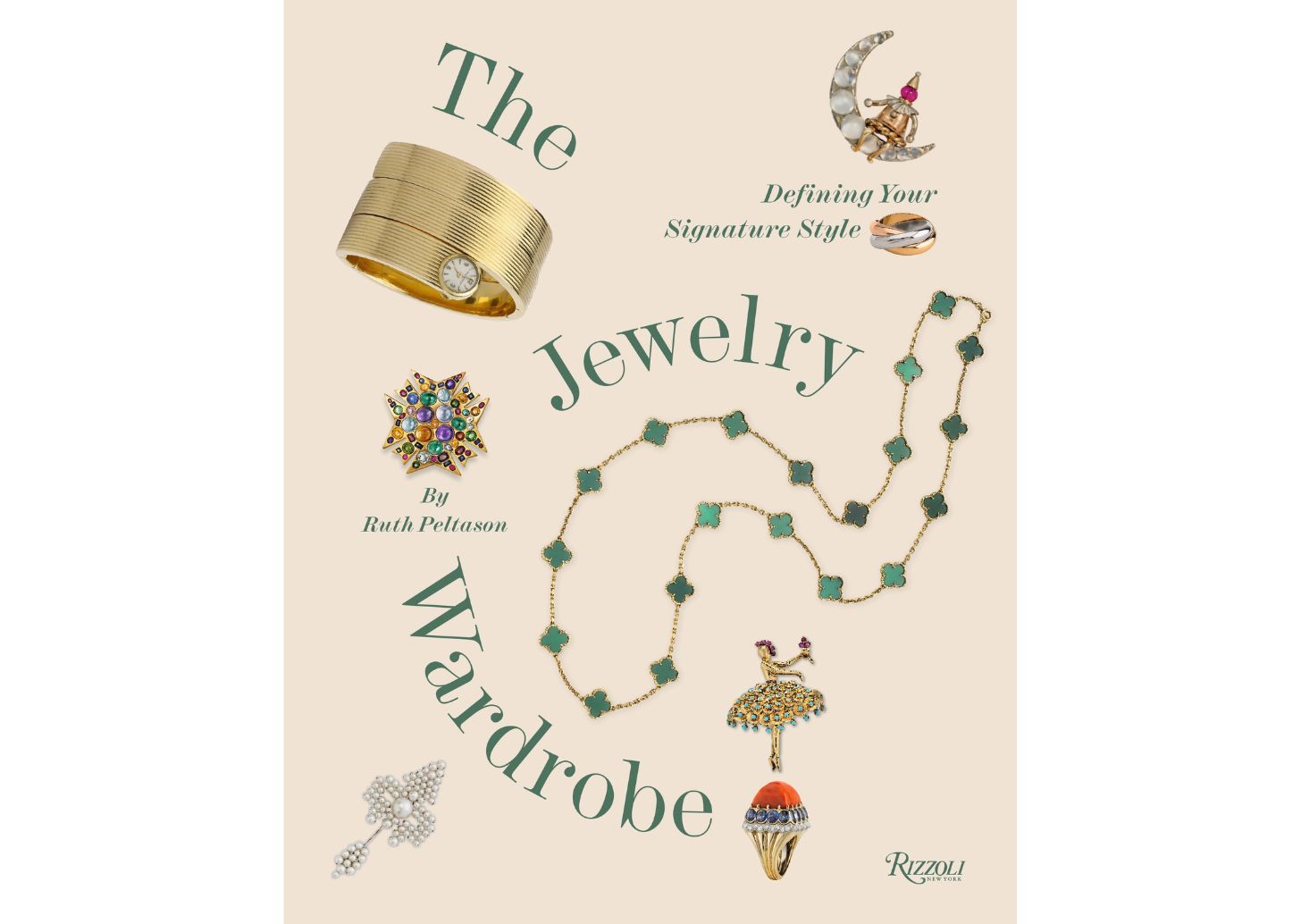
In the four-page introduction to The Jewelry Wardrobe: Defining Your Signature Style, Ruth Peltason does not explicitly explain the book’s framework. Instead, she shares the story of “My Jewelry Wardrobe: A Sentimental Journey.” At age five, she received a topaz birthstone ring. By the time she was 12, Ruth was shopping at Bulgari in Rome with her father and walked away with a gold grosgrain ribbon ring by Georges L’Enfant, one of the most coveted names in collecting today.
As her story suggests, we are heading into expensive jewelry land. While she has a tiny bit of antique, the book mainly shows treasures from marquee names working from the mid-20th century to today. There’s several examples from Hemmerle and James de Givenchy’s Taffin.
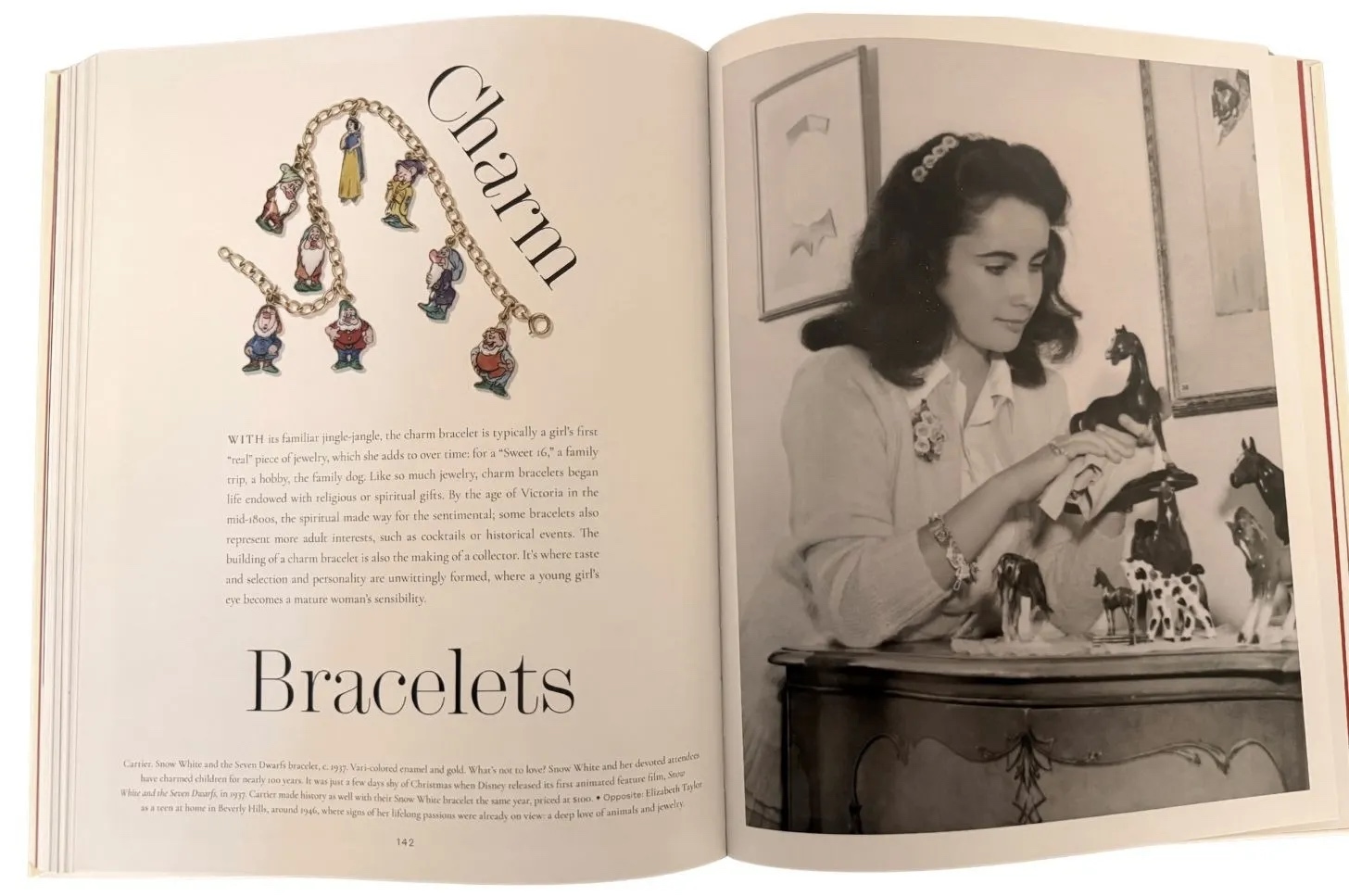
Ruth never really brings up the subject of cost. It feels a bit like, “If you have to ask…” Well, I’ll tell you, the lion’s share of jewels are very expensive. Sometimes, deceptively so.
The adorable Cartier “Snow White and the Seven Dwarfs” charm bracelet Ruth shows with text reviewing how charm bracelets are a traditional “Sweet 16” present, and how the Cartier jewel was priced at $100 when it was released in 1937, is now a collector’s item. An example of the jewel sold at Christie’s in 2022 for $163,800.
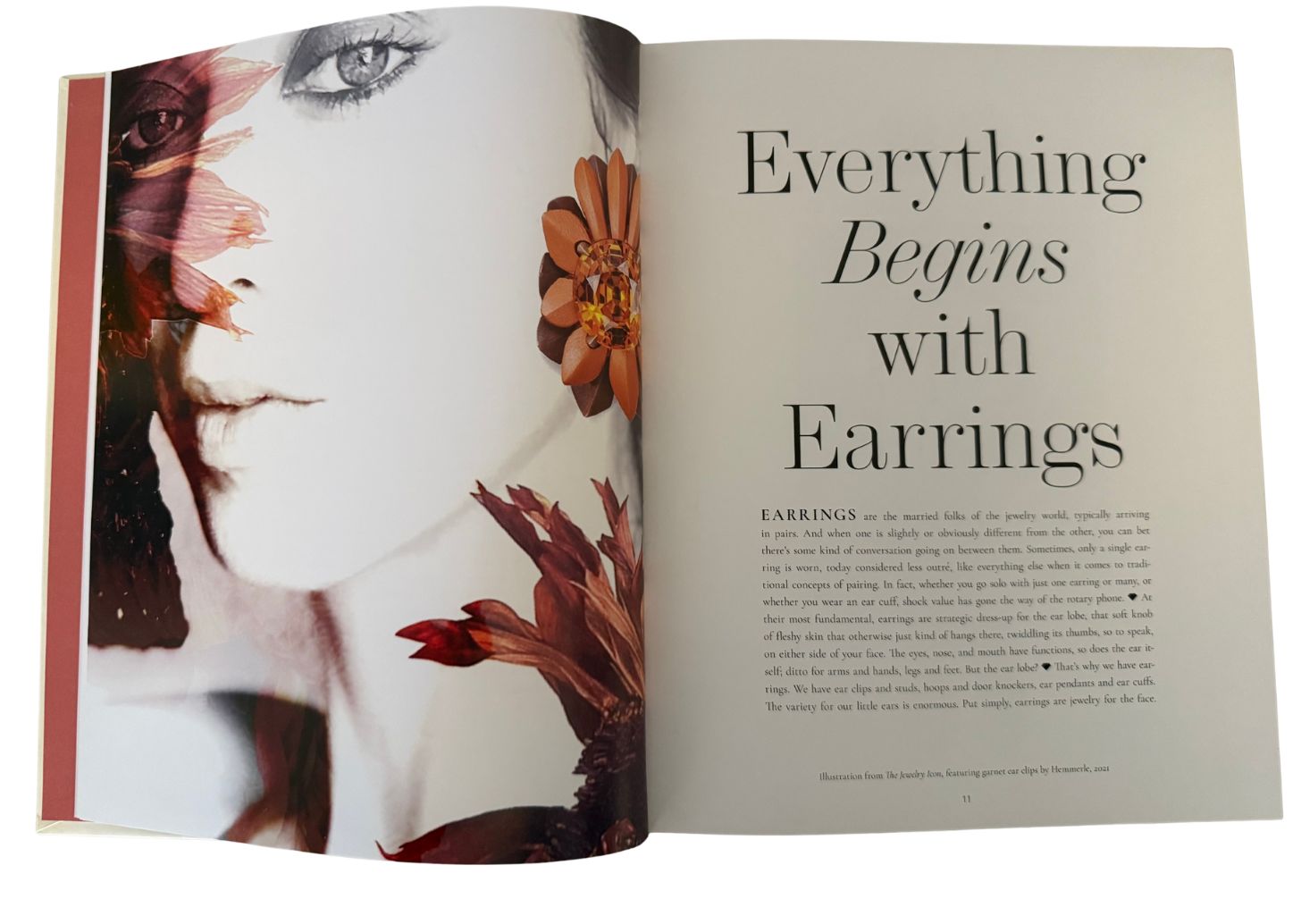
Ruth gained her professional experience in jewelry from editing books on the subject. She was behind Elizabeth Taylor’s My Love Affair with Jewelry. She has also written several books on the history of jewelry. Her publications include David Webb: The Quintessential Jeweler. Yet, The Jewelry Wardrobe layout is reminiscent of a fashion magazine. Most pages feature hero shots or just a few jewels. A couple of spreads have an assemblage of trends like wood or modern design motifs.
Ruth’s prose revives the spirit of Diana Vreeland’s beloved 1930s column for Harper’s Bazaar “Why don’t you…?,” which delivered information in an entertaining and wacky way. On earrings Ruth writes:
“Earrings are the married folks of the jewelry world, typically arriving in pairs. And when one is slightly or obviously different from the other, you can bet there’s some kind of conversation going on between them. Sometimes, only a single earring is worn, today considered less outré, like everything else when it comes to traditional concepts of pairing. In fact, whether you go solo with just one earring, or many, or whether you wear an ear cuff, shock value has gone the way of the rotary phone.”
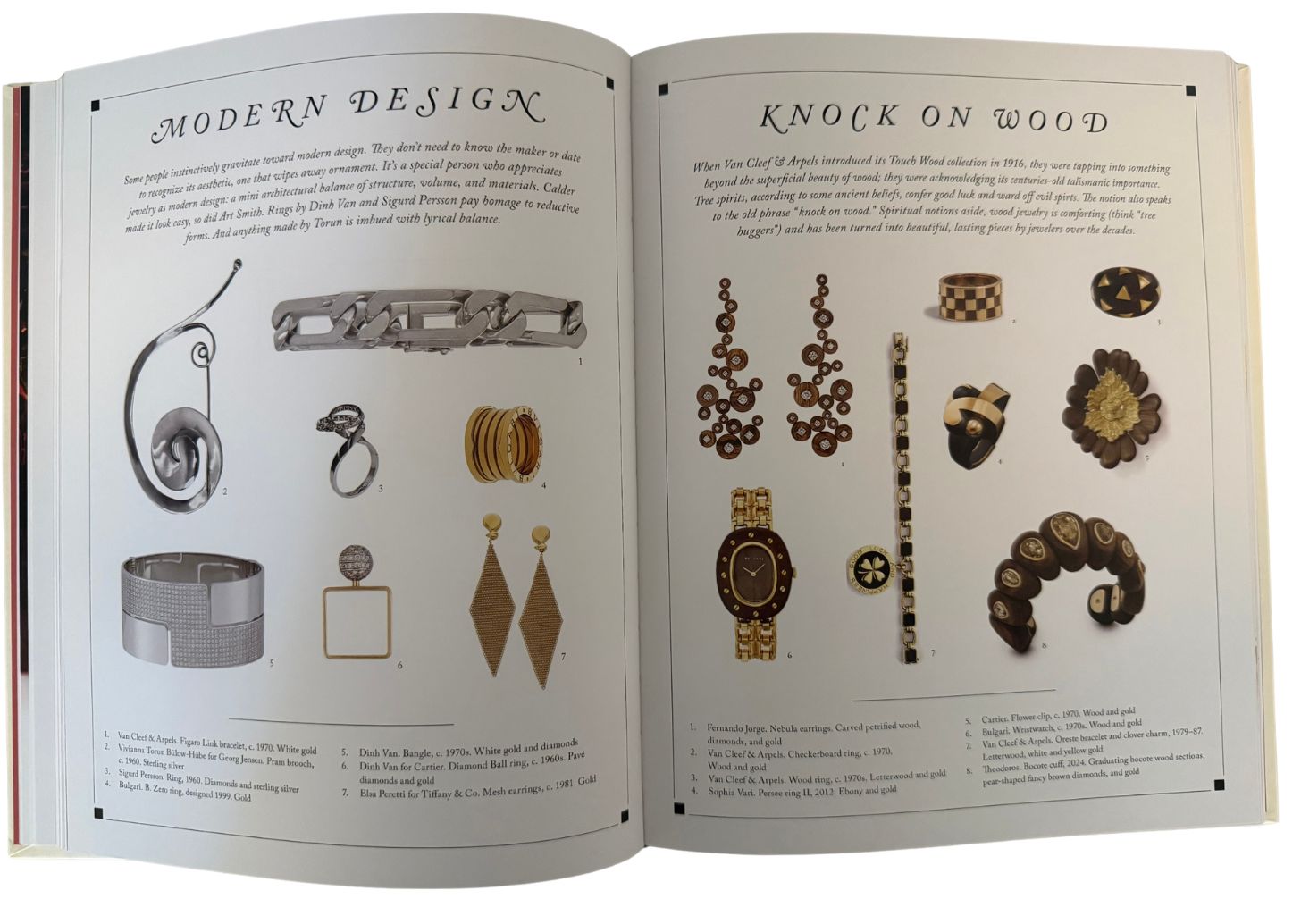
To further educate yourself about jewelry for your wardrobe, Ruth says: “Go preview a jewelry auction, visit a jewelry dealer’s salon or boutiques run by the newest independent jewelers, walk into Cartier or Van Cleef & Arpels or Bulgari and just say you’re looking, mosey around the vitrines in the jewelry department at Bergdorf Goodman.”
Perhaps for someone who was shopping at Bulgari at 12-years old, it’s all easy-breezy. Ruth may not be aware of just how intimidating these places, with expensive inventory and guards at the door can be.
Once, when I was interviewing Nicola Bulgari about the history of Monete jewelry in his second floor office at Bulgari on Fifth Avenue and 57th Street in New York, we paused our discussion for a moment, and he told me how he admired the revolving front door at Tiffany, which we could see from his window. “Just look at those people going in and out,” he said. He knew this was based on the range of prices in his neighbor’s inventory.
Jewelers are aware it can be daunting to cross their thresholds. The memory of Mr. Bulgari’s wistful moment made me once again realize just how challenging it is when people ask, “How do I collect jewelry?”
Marion Fasel writes about contemporary trends and jewelry history in The Adventurine newsletter on Substack. The author of 11 books focusing on 20th-century jewelry design, Marion’s most recent publication, The History of Diamond Engagement Rings, was named “One of the best coffee table books for 2026” by The Wall Street Journal.